Essential Minerals and Their Sources
Understanding mineral biochemistry and where essential minerals are naturally found.
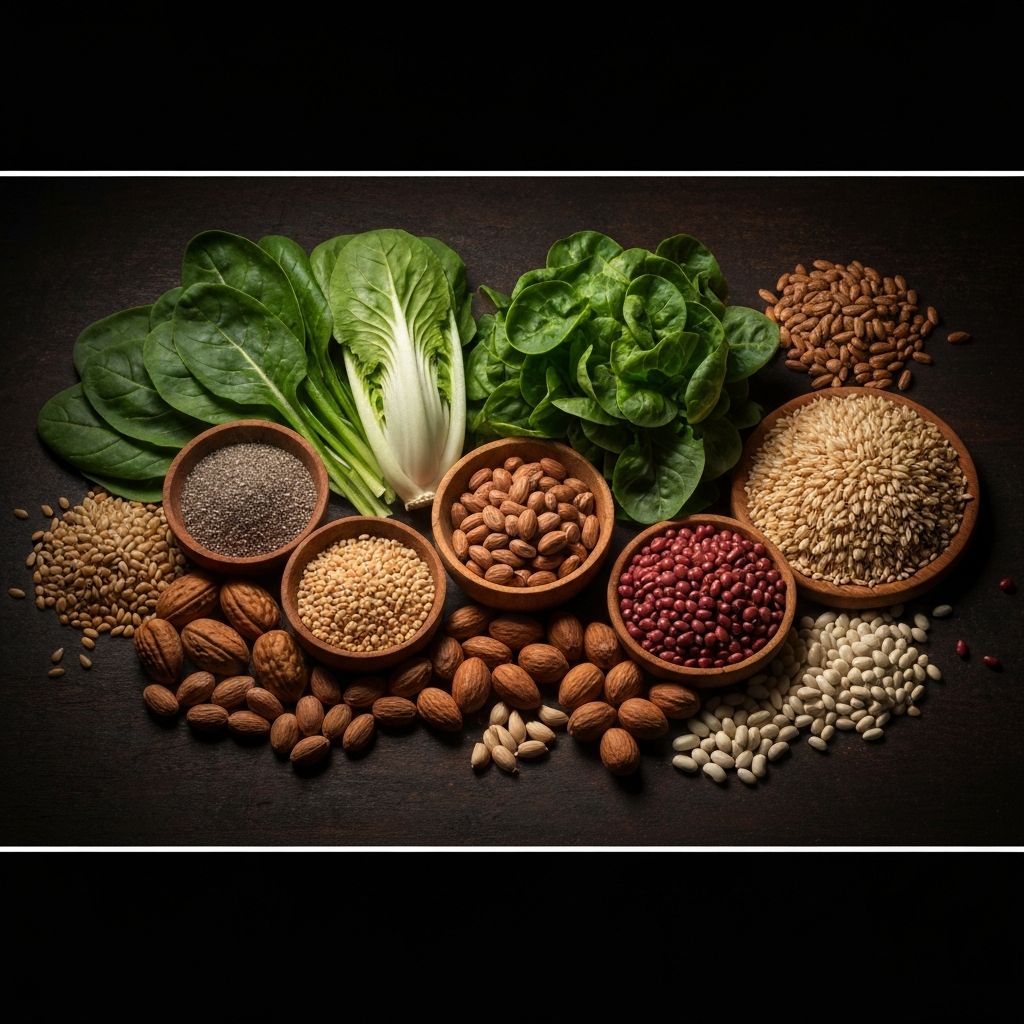
Mineral Biochemistry
Minerals are inorganic elements essential for physiological function. They exist throughout the body in specific concentrations and serve distinct biochemical roles.
Major minerals include calcium, phosphorus, magnesium, sodium, potassium, and chloride. Trace minerals include iron, zinc, copper, selenium, iodine, and others. Each mineral participates in specific enzymatic and structural processes.
Understanding mineral biochemistry clarifies why diverse food sources matter.

Calcium: Bone and Beyond
Calcium comprises structural components of bones and teeth while also participating in muscle contraction, nerve transmission, and enzymatic function. Adequate calcium intake throughout life, particularly during growth phases, supports bone health.
Calcium sources include dairy products, leafy greens, legumes, nuts, and fortified foods. Calcium bioavailability—the degree to which calcium is absorbed—varies among sources.
Iron: Oxygen Transport
Iron is essential for hemoglobin synthesis and oxygen transport throughout the body. Iron exists in two dietary forms: heme iron (found in animal products) and non-heme iron (found in plant sources). Heme iron typically has higher bioavailability.
Iron sources include red meat, poultry, fish, legumes, and fortified grains. Certain compounds enhance iron absorption; others inhibit it.
Magnesium: Muscle and Energy
Magnesium participates in over 300 enzymatic reactions, supporting muscle function, energy metabolism, and nerve transmission. Magnesium is abundant in green vegetables, nuts, seeds, and whole grains.
Adequate magnesium intake is associated with various physiological processes documented in scientific literature.
Zinc: Immunity and Protein
Zinc supports immune function, protein synthesis, DNA synthesis, and wound healing. Zinc sources include meat, shellfish, legumes, nuts, and seeds. Zinc bioavailability varies, influenced by dietary factors.
Zinc requirements vary by age and sex, as detailed in scientific nutritional guidelines.
Other Essential Minerals
Additional minerals including potassium (electrolyte function), iodine (thyroid hormone synthesis), selenium (antioxidant function), and copper (enzyme cofactor) each serve specific physiological roles and are available through diverse food sources.
Important Context
This article explains mineral science and dietary sources. Individual mineral requirements vary by age, sex, activity, and health status. Consult healthcare professionals for personalized guidance regarding mineral intake.