Exploring Dietary Strategies and Essential Micronutrients
A comprehensive educational resource for understanding how nutrients support physiological function and overall well-being.
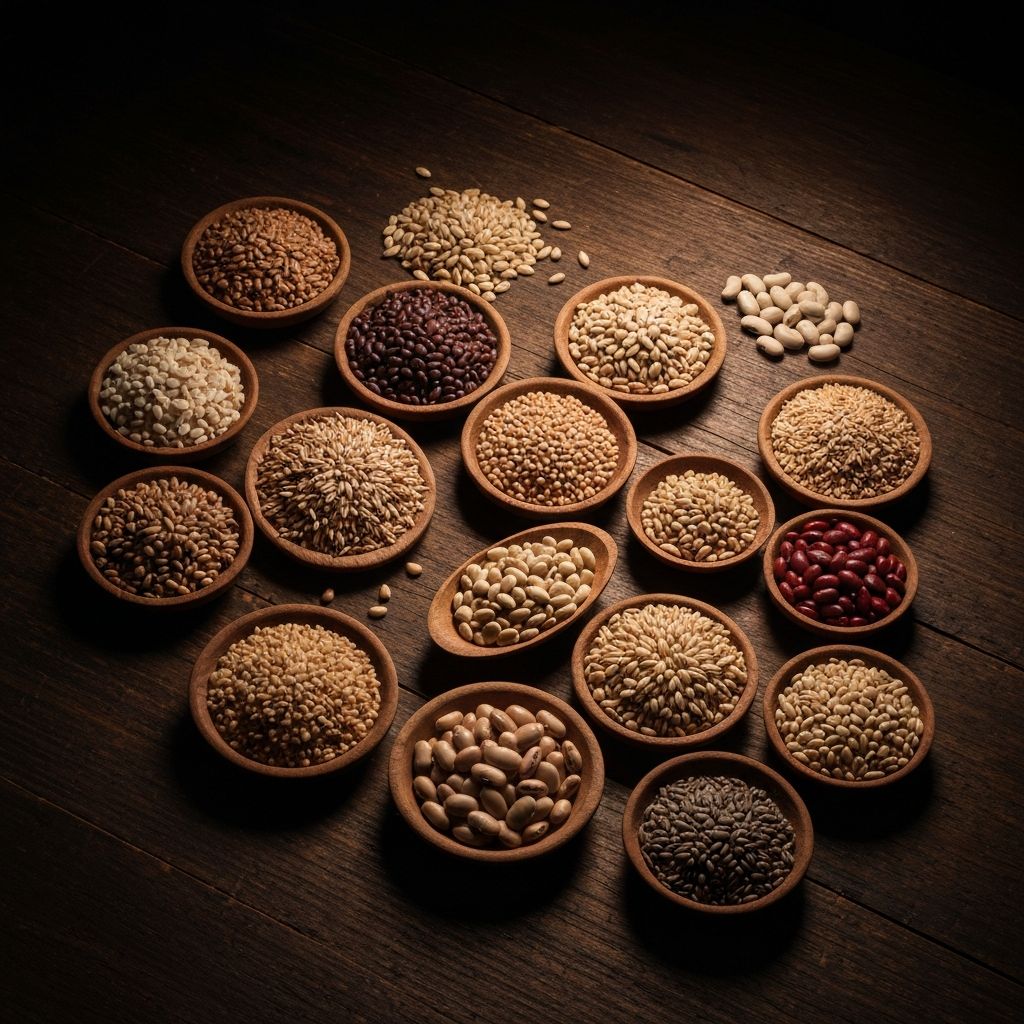
Understanding Macronutrients
Macronutrients—carbohydrates, proteins, and fats—form the foundation of dietary science. Each serves distinct physiological roles.
Carbohydrates provide energy through glucose metabolism. Proteins support tissue maintenance and enzymatic function. Fats facilitate hormone production and nutrient absorption.
The relationship between macronutrient intake and physiological outcomes is a central topic in nutritional science, with research examining various dietary patterns and their effects on metabolic processes.
Learn More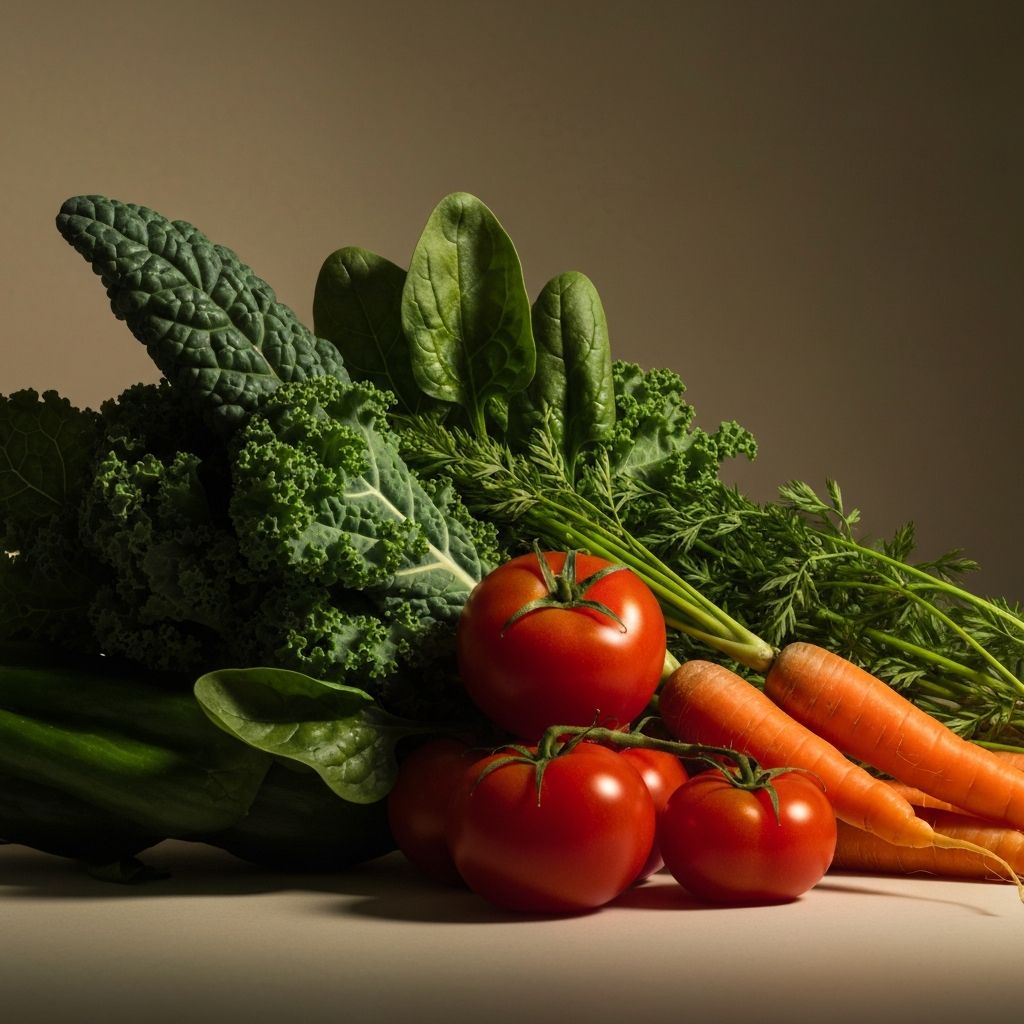
Micronutrients and Physiological Function
Vitamins and minerals operate as cofactors in enzymatic reactions essential for energy production, immune function, and bone health.
These micronutrients exist in diverse food sources—vegetables, fruits, whole grains, and proteins—each contributing unique nutritional profiles.
Understanding where micronutrients originate and their biochemical roles represents a key component of nutritional literacy.
Discover InsightsNutritional Science Explained

Dietary strategies vary significantly across populations and historical periods. What unites modern nutritional science is the recognition that food comprises complex biochemical compounds that interact with human physiology in measurable ways.
The scientific literature documents relationships between dietary patterns and various physiological markers. This educational resource presents these concepts without providing individual dietary recommendations or medical advice.
Educational Topics
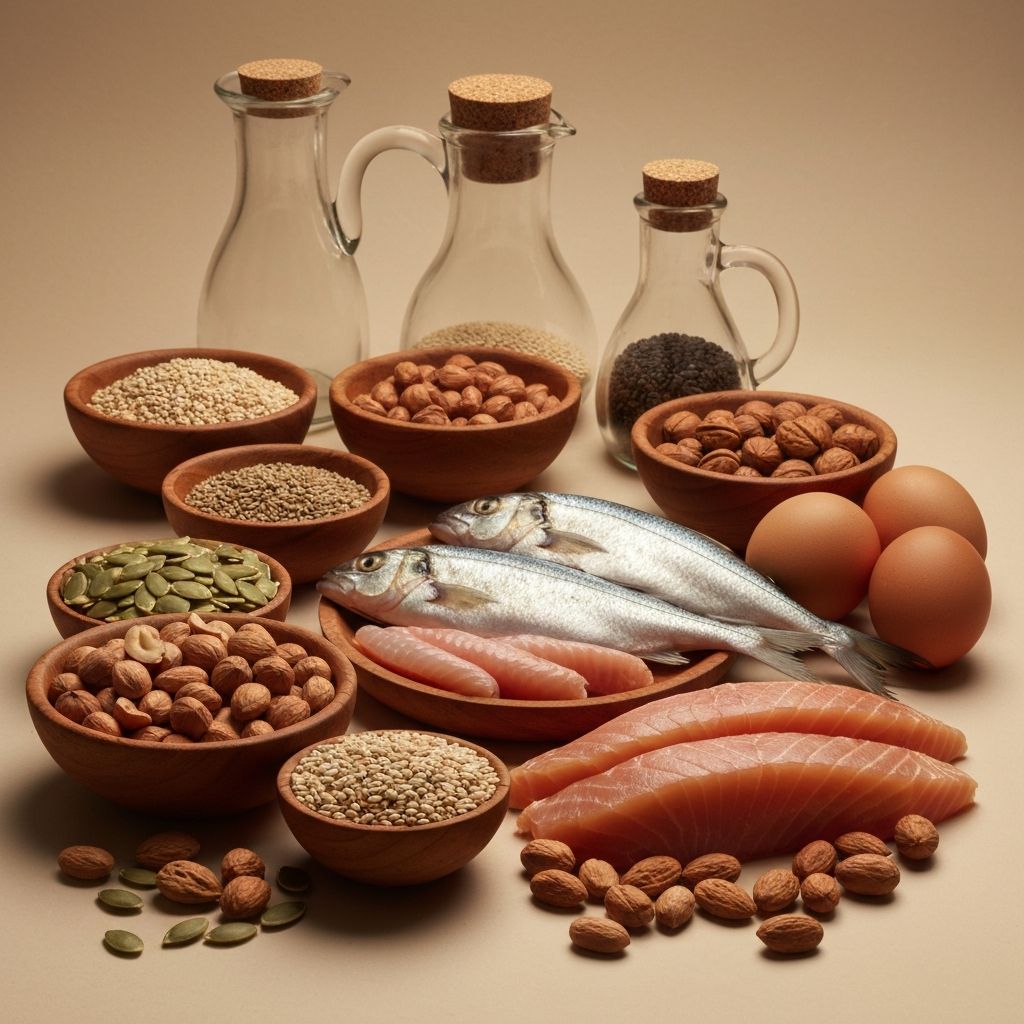
Protein Function
Explore the roles proteins play in tissue maintenance, enzymatic processes, and metabolic regulation.
Explore Further
Meal Composition
Understand the scientific principles behind balanced dietary composition and nutrient diversity.
Read Article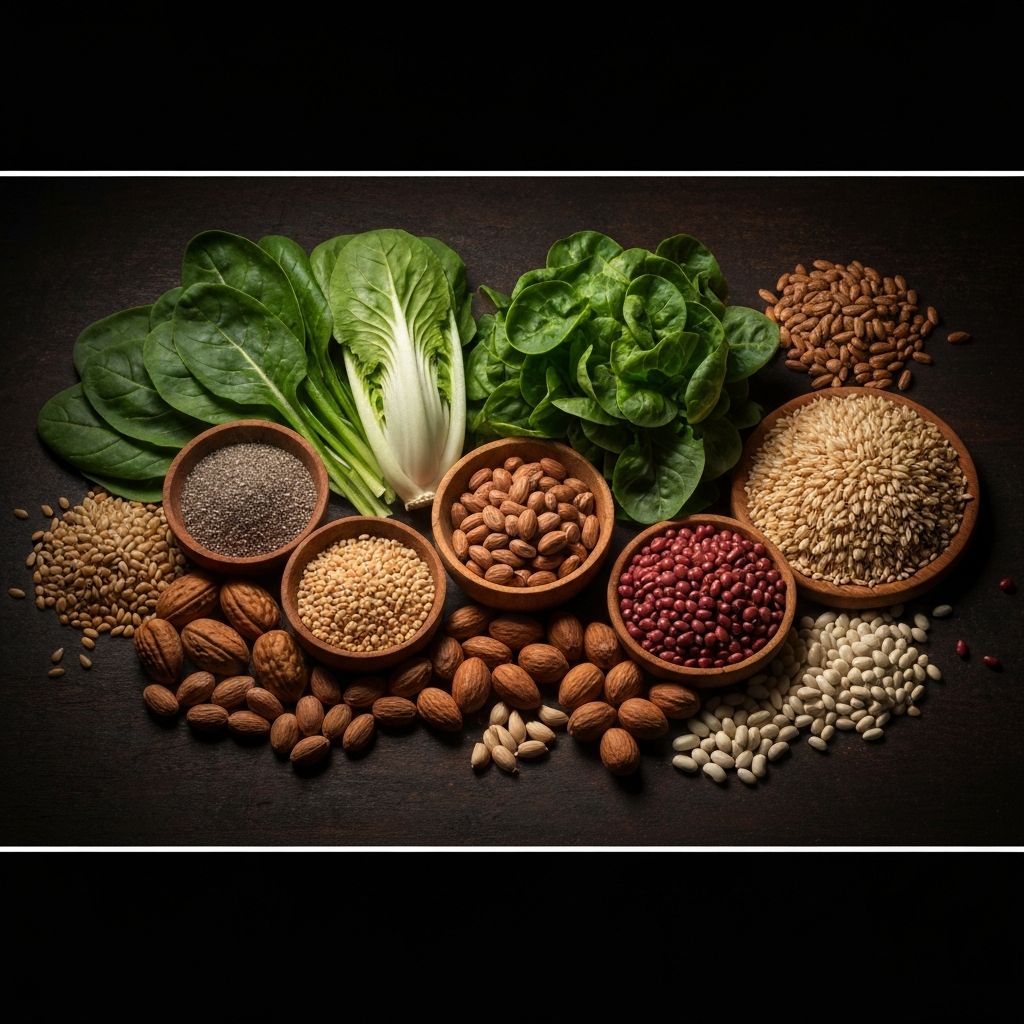
Essential Minerals
Learn about mineral biochemistry and their distribution across various food sources.
Delve DeeperAbout This Resource
Xavolva provides educational information on dietary strategies and nutritional science. This resource explains scientific concepts and does not provide individual medical advice, treatment recommendations, or replace consultation with qualified healthcare professionals.